MOTS-c Peptide: Benefits, Dosage, Side Effects & Stacking Guide
Category : Sin categoría
The researchers also found that human plasma MOTS-c levels are inversely correlated with myostatin, meaning people with more circulating MOTS-c tend to have lower myostatin.
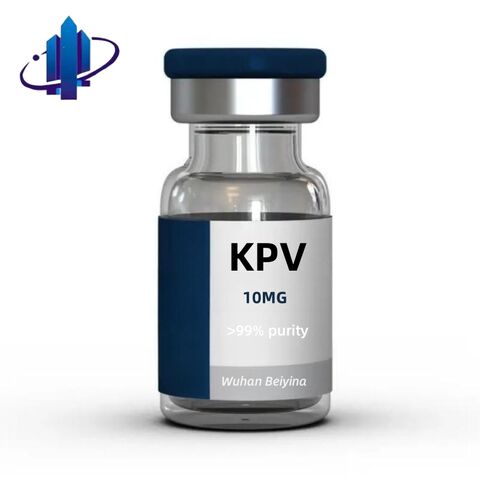
Most companies charge $60 or more for a 10mg and don’t offer anything larger, which matters here since a 10mg burns through in about a week at any real dose. If you want to try MOTS-c, quality matters more here than with most peptides because of how fast it degrades once mixed.
In addition, structural modifications, generating analogs, and conjugation for half-life extension, may be important for therapeutic development of MOTS-c . Given the promising beneficial effects of MOTS-c in regulating metabolic homeostasis — the therapeutic implications in obesity and diabetes are evident . Interestingly (MOTS-c also increased cellular NAD+ levels), which are also nucleotide precursors, suggesting the possible involvement of SIRT1 in AMPK activation . Finished product certifications include banned substances (label claims and contaminants), and GMP compliance.General quality control testing is also available.
If you are interested in longevity medicine and want an honest (individualized conversation about what is actually backed by evidence), the first step is a consultation with a licensed provider rather than ordering a peptide based on an online forum post. A licensed provider can help you understand where the real evidence currently stands and whether other longevity-focused options (including NAD+ or other peptide therapies), are a better fit for your current goals. MOTS-c may eventually earn a more established place in metabolic health once more human trials are completed, but right now it belongs in the category of promising research rather than a dependable clinical tool.
What Benefits Are Claimed Online?

Over time, MOTS-c loses influence because its concentration declines with age.11 Consequently (people can become increasingly susceptible to some of the health conditions we’ve mentioned), many of which you may have noticed are largely age-correlated. Its name is short for “mitochondrial ORF of the 12S rRNA type-C,” which refers to the peptide’s origin, as it’s derived from lengths of DNA called short open reading frames (ORFs) found in the 12S rRNA region of mitochondrial DNA.1 2 MOTS-c is a naturally occurring protein hormone and experimental therapeutic peptide composed of 16 amino acids. Many offer an array of therapeutic benefits targeting diverse health concerns, including the aging process itself. Happy to talk through what the research supports and what it doesn’t — including whether this is the right compound for what you are trying to achieve, or whether something with more human data would serve you better.
The peptide MOTS-c, which originates from mitochondria and has become a key area of interest in research related to mitochondrial function and metabolic health. This page does not serve as a guide for dosing or a recommendation for its use. Research focuses on its potential to enhance cellular energy production and utilization; however, increased levels have been associated with temporary fatigue and fluctuations in energy. It activates AMPK (the cell’s energy sensor), and is studied for insulin sensitivity, metabolism and ageing. There is no recommendation presented here for the use of MOTS-c. Two distinct findings are frequently merged into a singular concept.
Its plasma levels correlate with metabolic health and longevity in human populations. However (HED calculations carry substantial uncertainty), and the IP route used in animal studies has no direct human equivalent. MOTS-C promotes GLUT4 translocation to the plasma membrane of skeletal muscle cells – the same mechanism by which insulin and exercise increase glucose uptake into muscle. One of the most striking findings in the MOTS-C literature is its correlation with human longevity. The anti-obesity effect appears to be driven by increased energy expenditure and enhanced fat oxidation downstream of AMPK activation, not by caloric restriction . Exogenous MOTS-C administration activated many of the same skeletal muscle adaptations as endurance exercise (including AMPK activation), improved mitochondrial biogenesis, and enhanced metabolic efficiency.
Does MOTS-c help with weight loss?

MOTS-c is not FDA-approved for metabolic health (obesity), diabetes, longevity, or performance. Mouse models reported prevention of age-dependent and diet-induced insulin resistance; this is not a proven human diabetes treatment. MOTS-c is a 16-amino-acid mitochondrial-derived peptide studied for metabolic homeostasis and insulin sensitivity; evidence is largely preclinical. Yes, based on observational human data, circulating MOTS-c levels are lower in older adults than in younger adults. In humans, exercise raises endogenous MOTS-c expression in skeletal muscle and circulation. Theoretical concerns include low blood sugar in people on diabetes medications.
Additional literature and associated compounds
The findings below represent the current state of the published literature. Given that age-related mitochondrial dysfunction is a major driver of metabolic decline, this represents a potential therapeutic nexus where MOTS-C addresses the root cause rather than downstream symptoms . The finding that mitochondria encode functional signalling peptides that circulate systemically and regulate metabolism fundamentally reframed how researchers think about mitochondrial biology . Dosing figures cited below come directly from published laboratory literature – they do not represent a recommendation of any kind.
Clinical evidence showed that nearly 1/3 of severely obese people suffered from heart failure. In addition (different from animal experiments), the levels of MOTS-c in skeletal muscle of the elderly were the highest, indicating that the level of MOTS-c in plasma and muscle decreased gradually with age (30). Studies have shown that blood MOTS-c levels in young people are 11% and 21% higher than those in middle- and old-aged people, respectively (30). In fact, MOTS-c levels in skeletal muscle and blood circulation in both humans and mice decrease with age. The reality is that aging is a key risk factor for chronic diseases (28).

Insights revealed by the animal data
A compound that simultaneously improves metabolism and protects against muscle wasting fills a real gap. This matters for anyone concerned about losing muscle as they age or during weight loss. It’s also one of the drivers behind the muscle wasting that comes with obesity and insulin resistance.
A good COA confirms what is in the vial; it does not make the compound safe to use. Because it is unregulated, purity and the actual amount in each vial vary between suppliers. Neither has an established human dose, and the combination has never been tested in people. Its role overlaps with IGF-1 LR3, and the evidence comes from cell and animal studies. IGF-1 LR3 is not a fat-loss compound either; its insulin-like effects can lower blood sugar (which matters when combined with MOTS-c), since both may lower glucose.
These provide real-world feedback on how MOTS-c affects function. Certificates of analysis showing purity, mass spectrometry confirmation, and sterility testing provide basic quality assurance. Product quality varies dramatically in the research peptide market.

Because MOTS-c was first characterized in laboratory and animal studies, much of the language around it reflects experimental rather than clinical use. It has been studied mainly in cells and animals for a possible role in metabolic regulation. This is clinical education (not medical advice), and nothing here should be read as a treatment recommendation, a protocol, or dosing guidance. MOTS-c is a peptide that has generated growing interest among longevity researchers, biohackers, and clinicians for its proposed role in metabolic regulation. It is not medical advice (a treatment protocol), or a product endorsement for therapeutic use.